Client
Zugerberg Finanz
Year
2025 - Present
Category
B2B, B2C
Platform
Web, Mobile
ZF needed their entire wealth management operation digitized, and not just one platform, but four interconnected ones serving completely different users. I designed the workflows that connect administrators, financial advisors, and clients while building the design system that holds it all together.
I worked as a product designer within a team of 2, receiving requirements through a ZF project manager without direct access to end users or advisors. This constraint shaped my approach, I relied heavily on stakeholder feedback loops and had to pressure-test every assumption about user needs.
When you're designing across four platforms at once, you can't afford to treat each one like a special snowflake. I built a token-based system where every design decision (from colors to spacing to component behavior) flows from a single source of truth.
The architecture is simple: tokens at the foundation, components built in layers, and platform-specific adaptations only where they actually matter. No arbitrary values, no one-off solutions, no "we'll fix it later."
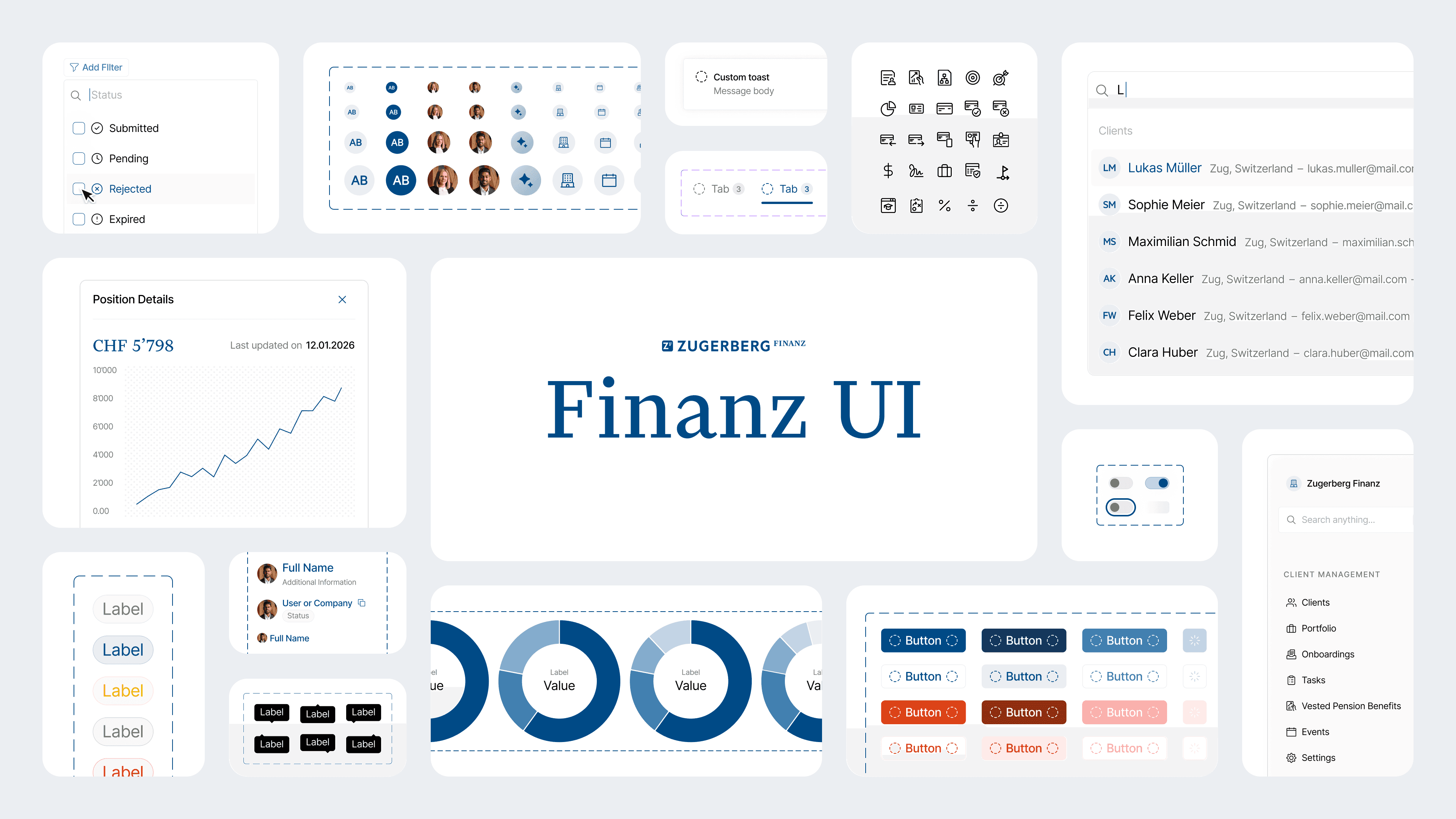
I structured components like you'd build with Lego. Primitives (buttons, inputs) snap together into patterns (form fields, data tables), which then compose into full modules (dashboards, wizards). Every interactive element has its states defined upfront using token references, so a disabled button looks appropriately subdued whether it's in an admin form or an advisor dashboard.
This isn't about making a pretty component library. It's about not having to redesign a signature flow three times because you didn't think through the architecture. These components power the web apps (admin, advisor, and client web platforms).
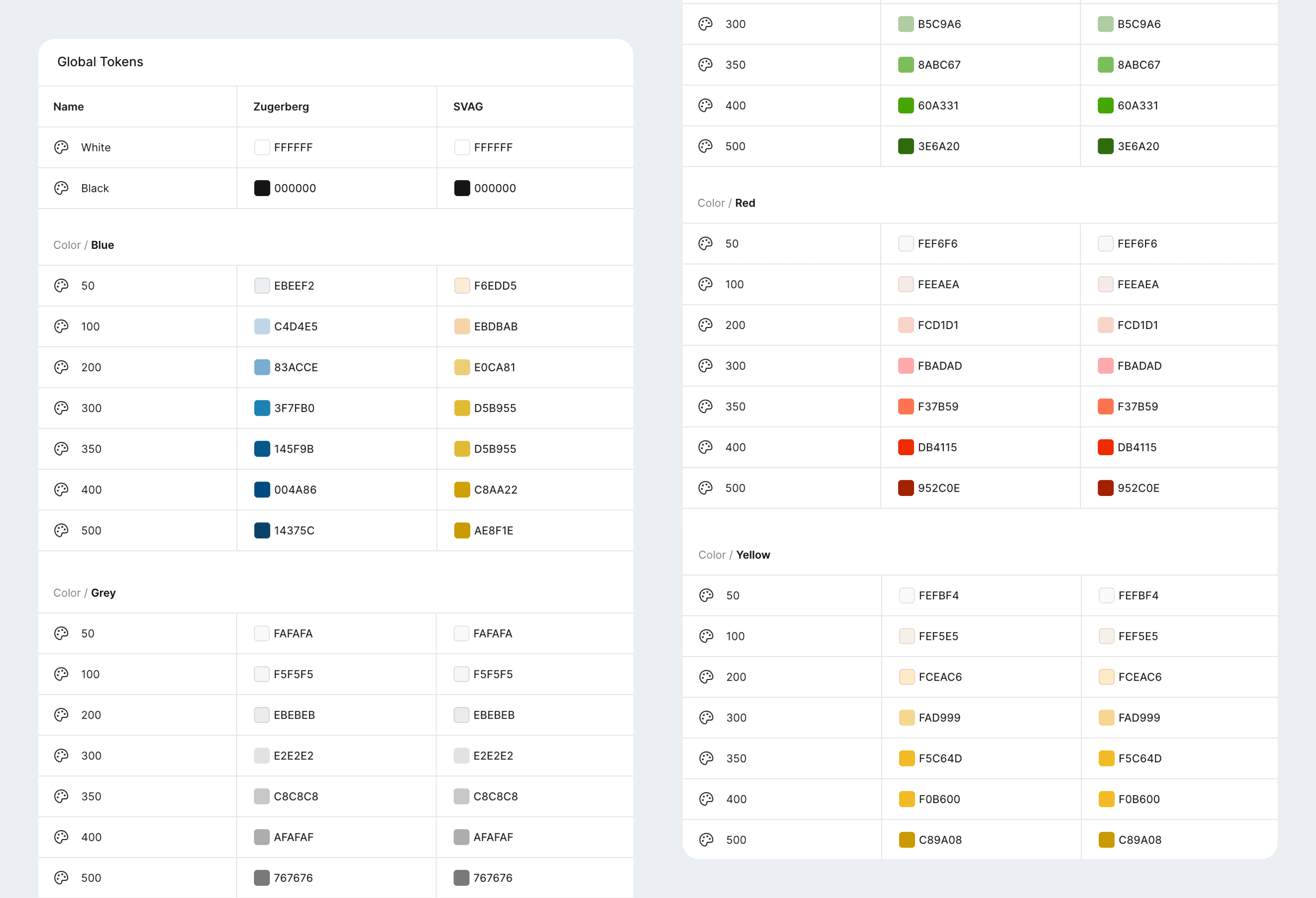
The palette cascades through three layers: core values → semantic intent → component application. Change one core token and it propagates everywhere automatically. No hunting through files to update "that one shade of teal we used for completed status." These tokens are used across all platforms, including the mobile app.
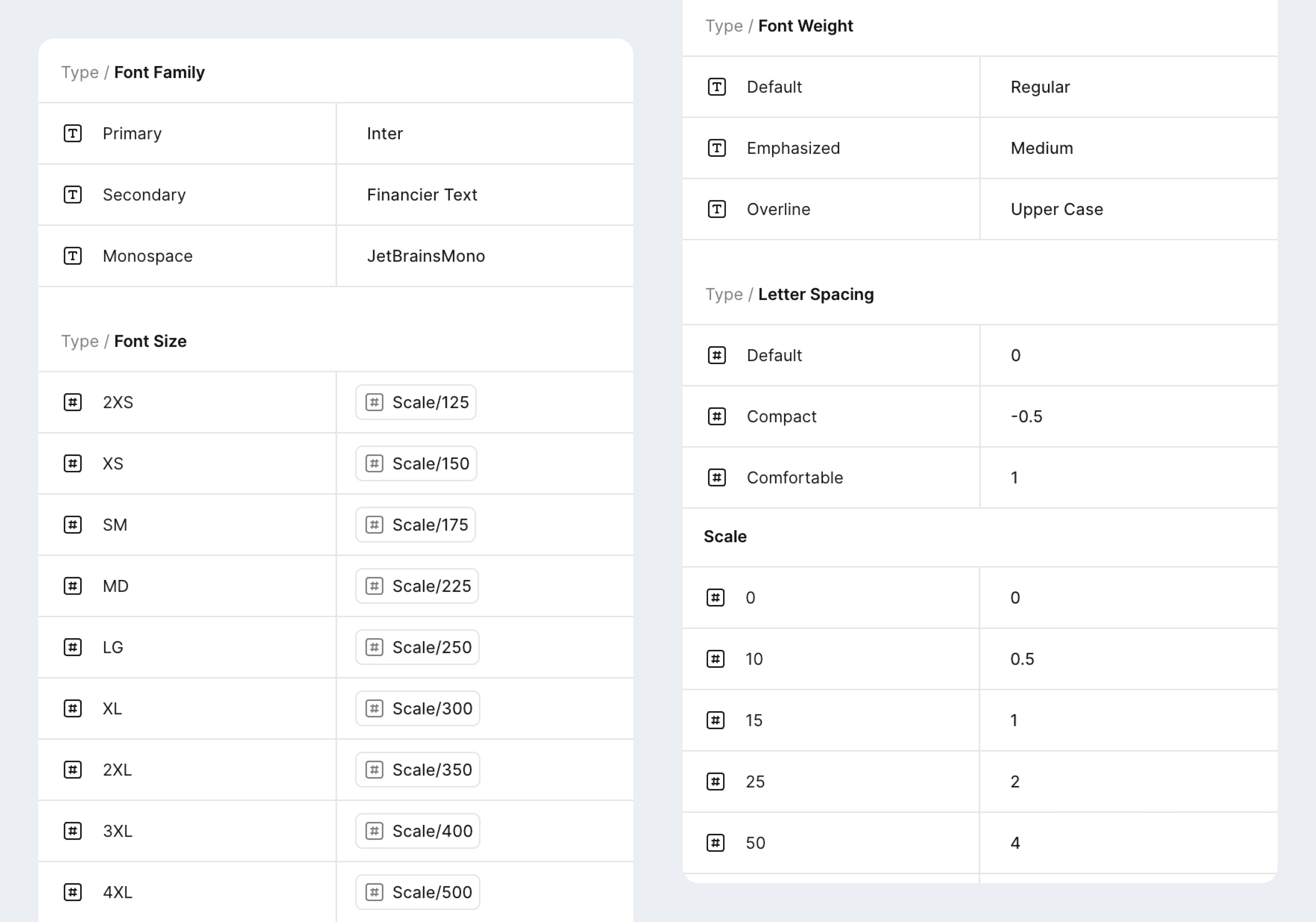
Type scales and spacing follow the same principle: systematic, semantic, consistent. Everything sits on a 4px base grid with named increments (xs through xxl) instead of random pixel values someone eyeballed at 2am.
The type hierarchy maintains proportional relationships across different screen sizes. When an engineer asks "how much padding?" the answer is always a token name, never "make it feel right."
The operational backbone where ZF administrators manage the full client lifecycle. I redesigned the onboarding flow from a scattered multi-tool process to a guided wizard with automated duplicate detection. What used to require manually searching multiple databases now surfaces potential matches proactively with side-by-side comparison views.
The data review interface turned compliance checks (ID verification, signature validation, document completeness) into discrete checklist items with clear pass/fail states. No more mental overhead trying to remember what still needs checking.
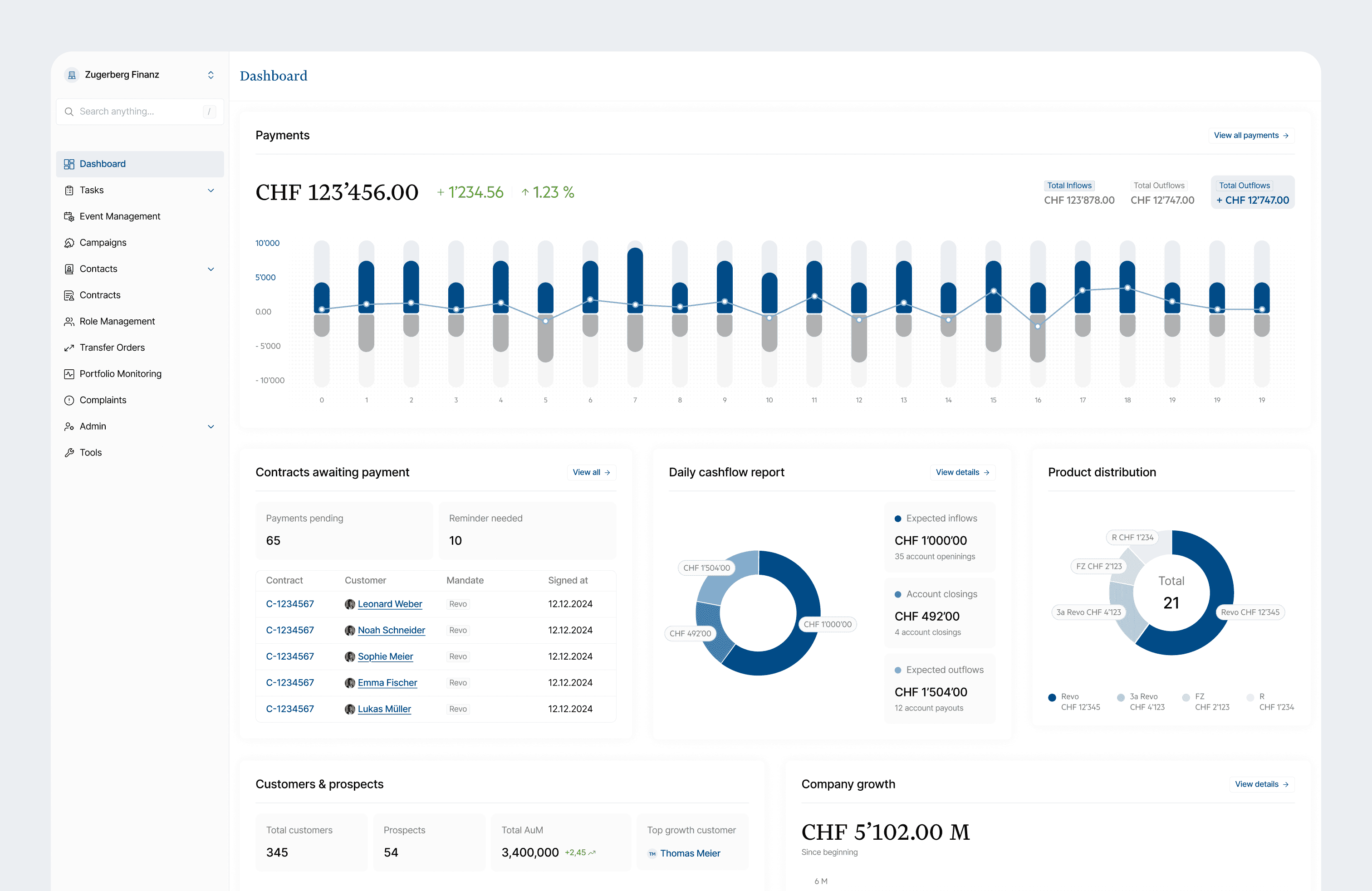
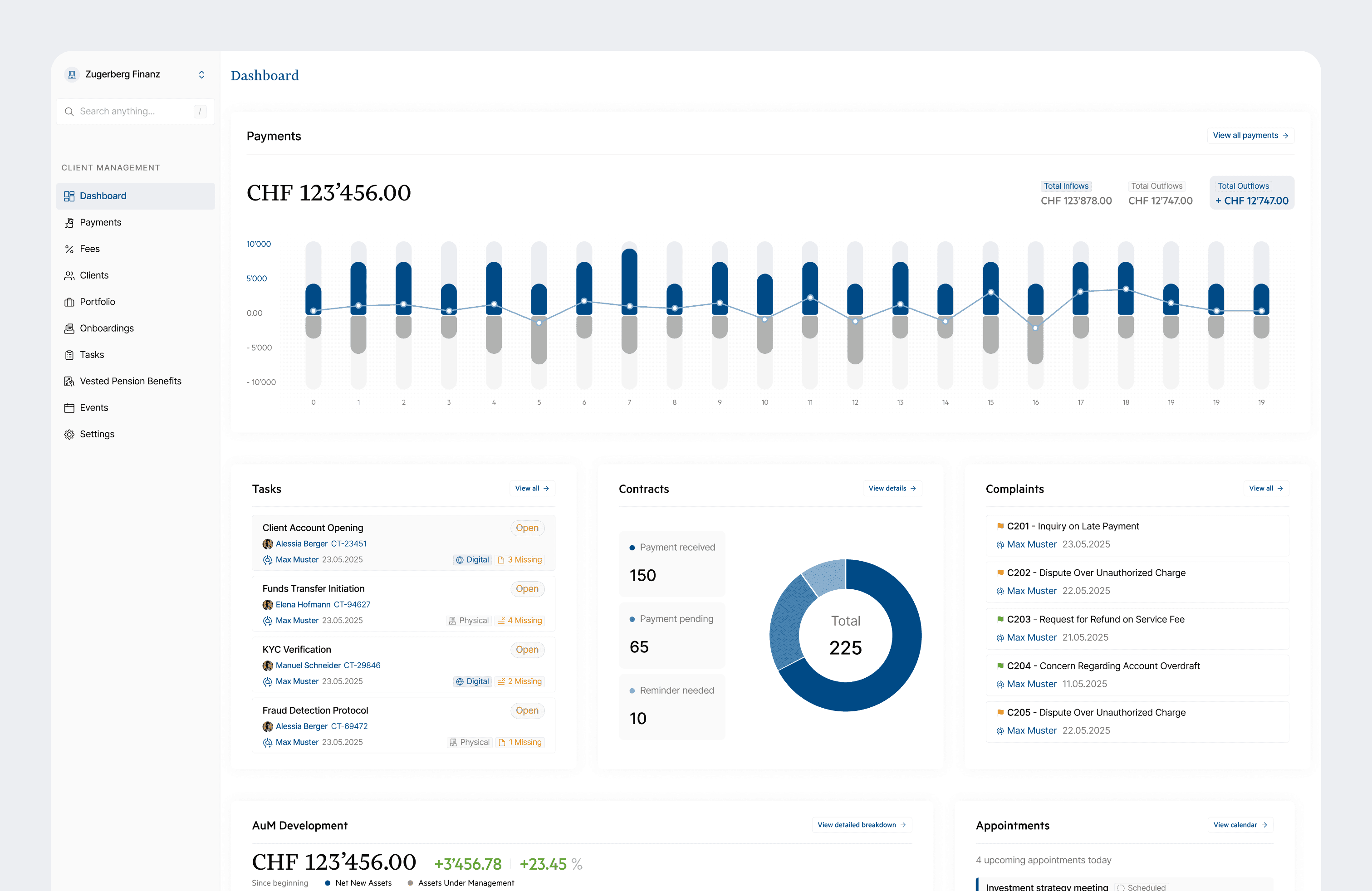
Advisors were managing everything through spreadsheets and email before this. Now they have a dashboard that shows client AUM, surfaces urgent tasks, and gets them to the tools they actually use without clicking through five levels of navigation.
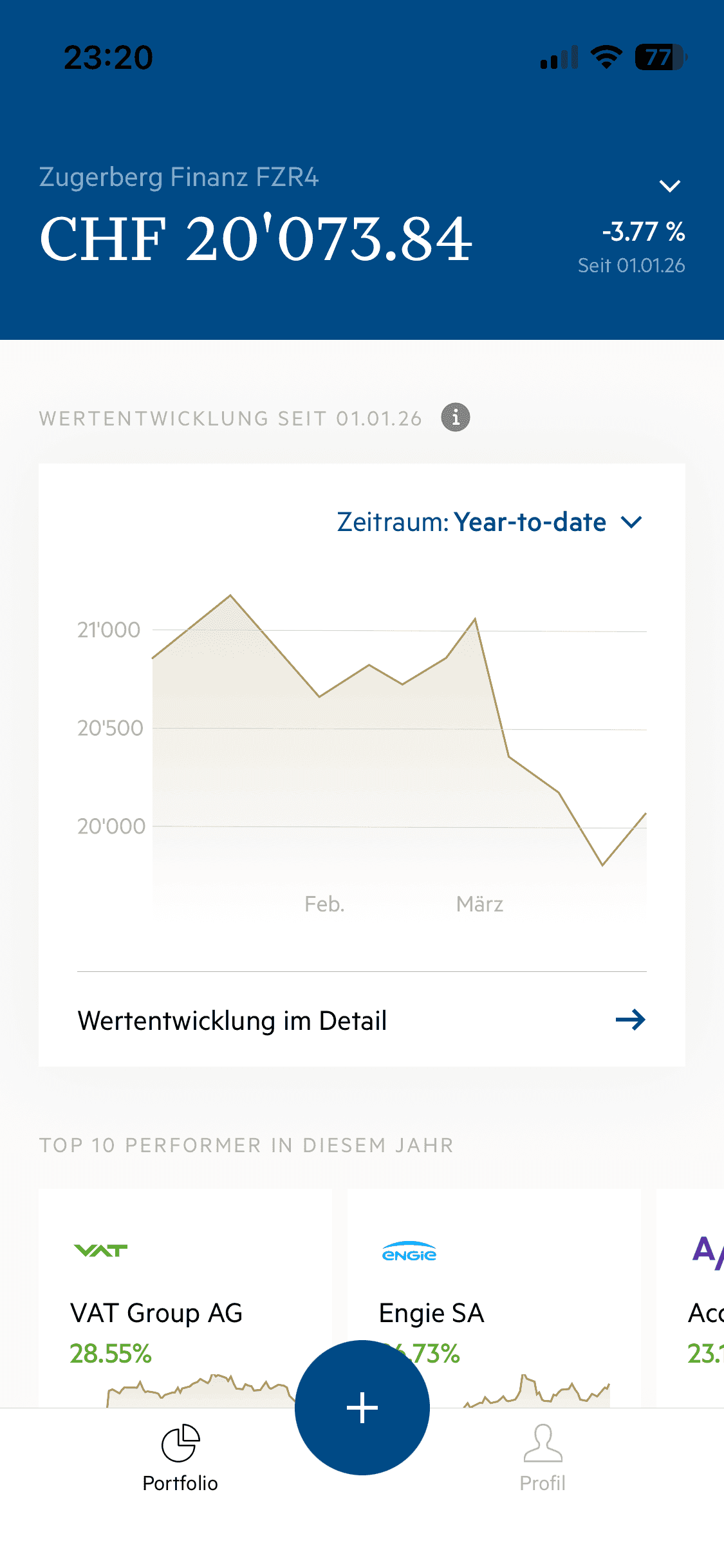
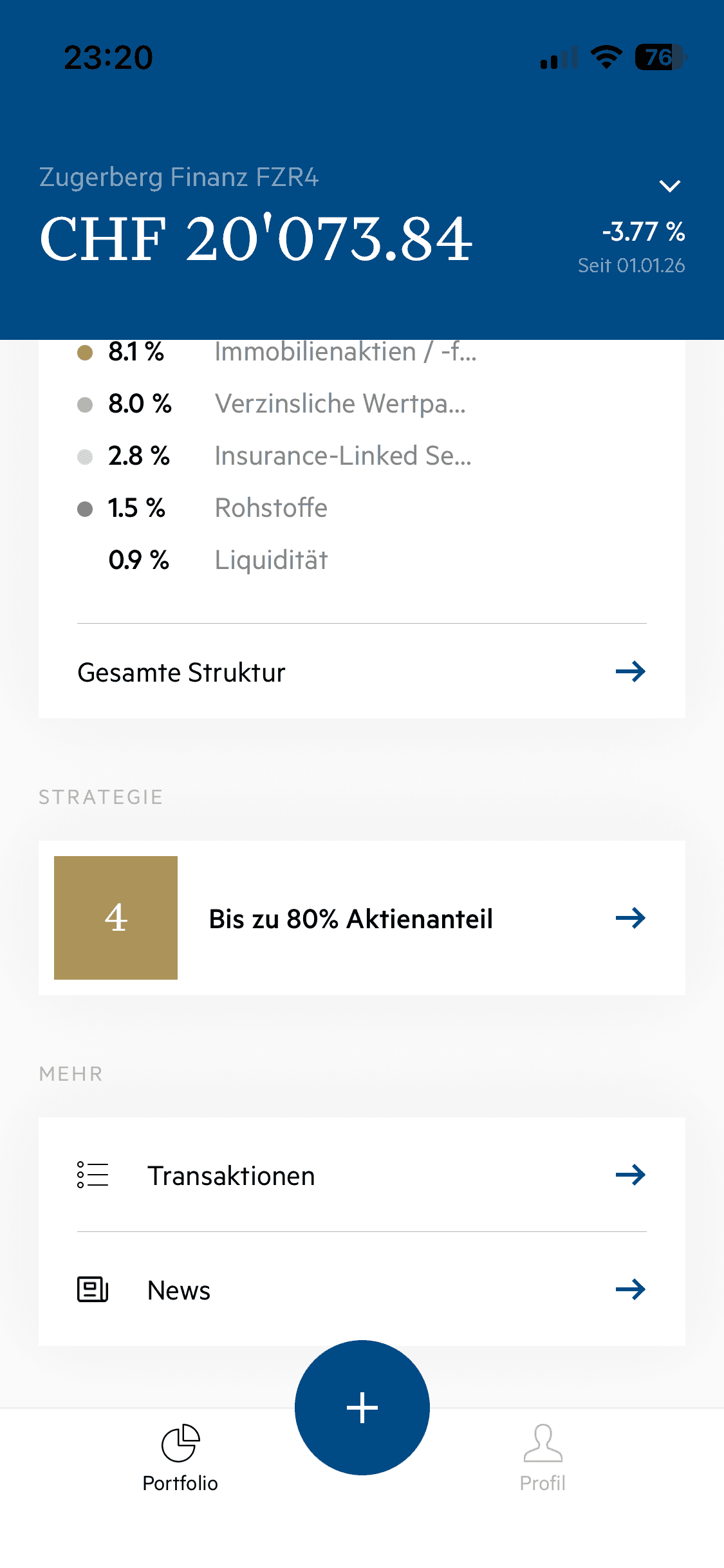
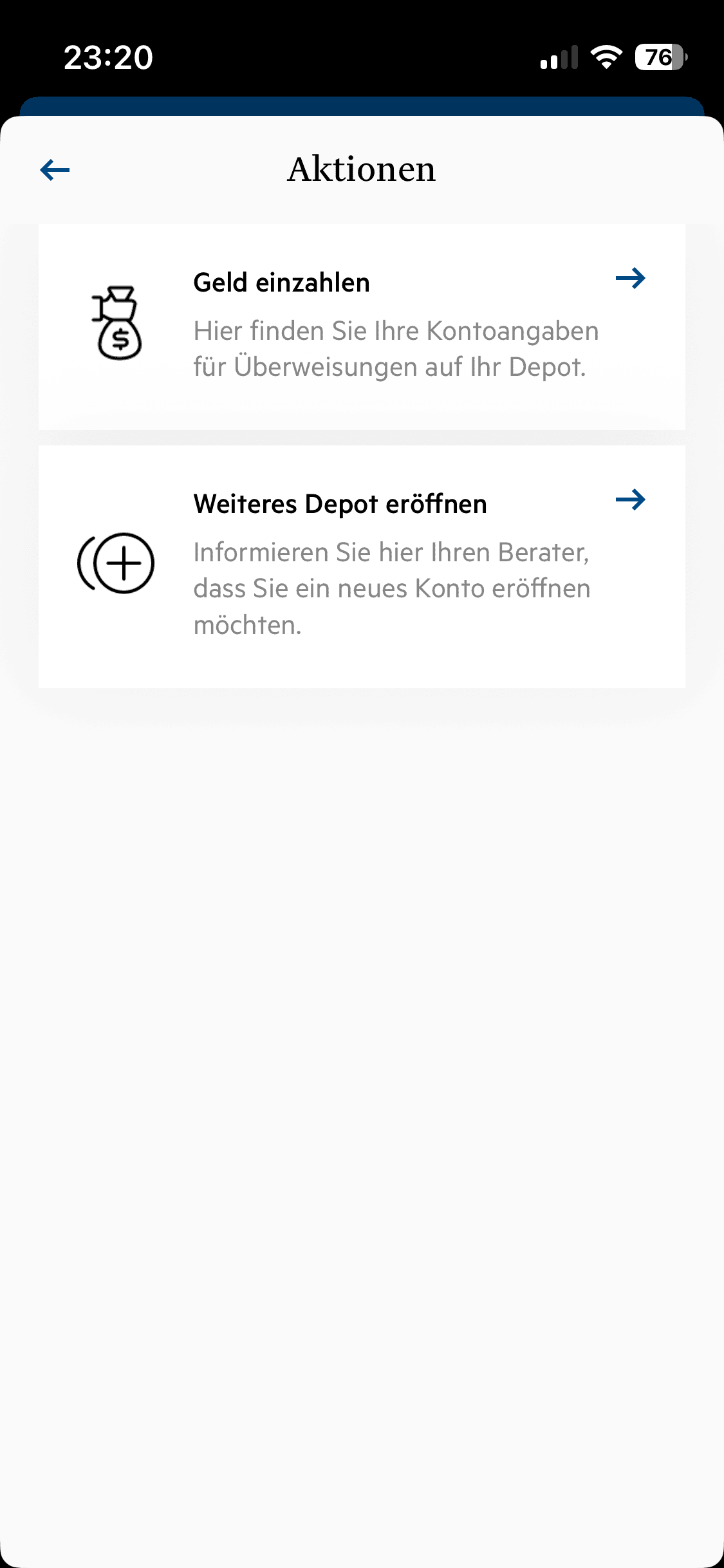
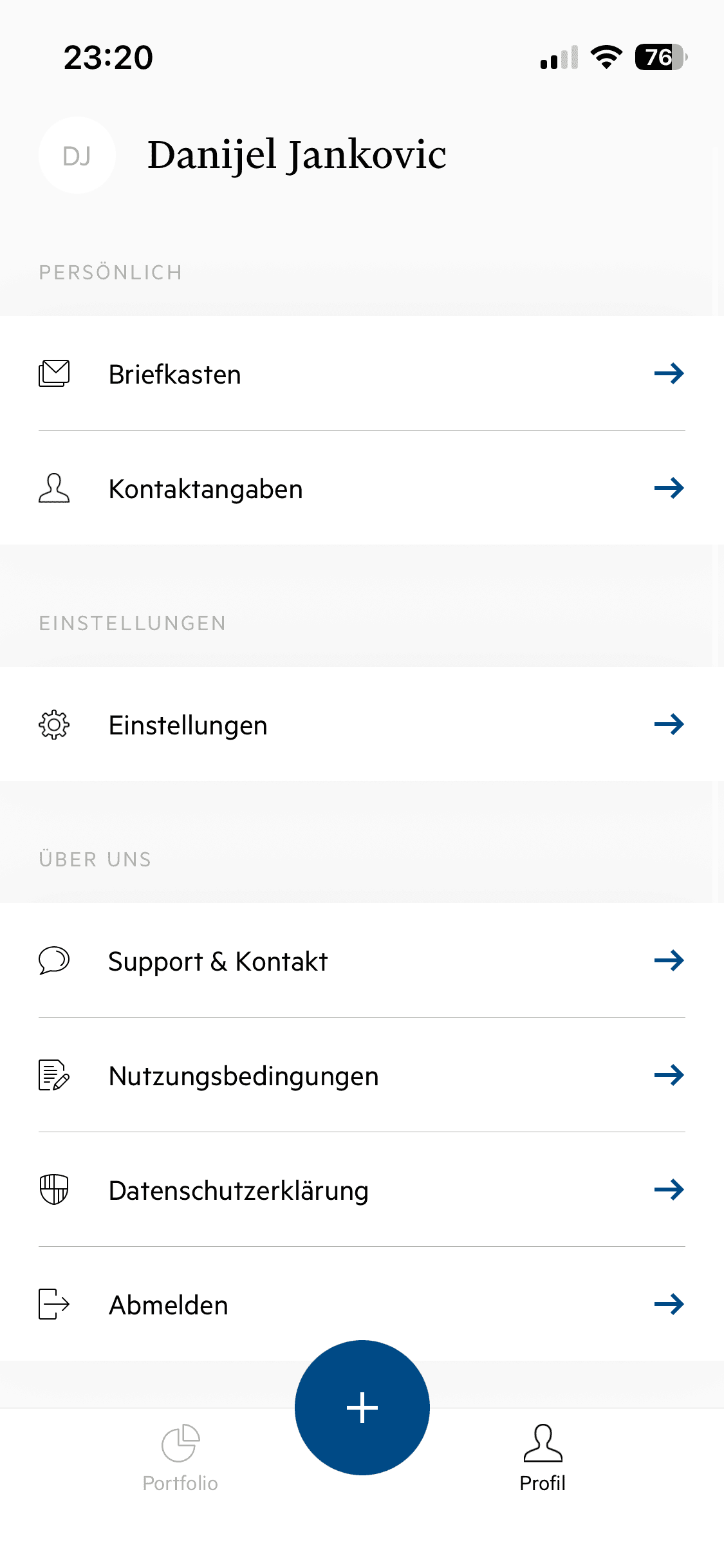
Clients had zero visibility into their pension portfolios between annual meetings, which is a terrible experience when you're trusting someone with your retirement savings. The mobile app answers "how am I doing?" in three seconds without overwhelming them with financial jargon they don't need.
Portfolio value, performance, strategy breakdown. All there, real-time, no advisor meeting required. But designed carefully enough that it doesn't undermine the advisor relationship that's core to ZF's model.
No direct user access. I worked through a ZF project manager without talking to actual administrators, advisors, or clients. Every assumption had to be pressure-tested through feedback loops. When I hid bank-level details in the transfer order interface thinking it simplified things, feedback revealed advisors actually needed that information to answer client questions. Taught me to validate information hierarchy decisions before committing.
Designing at the handoffs. The platform's interconnected nature meant every decision rippled across user groups. Simplifying admin onboarding had to ensure advisors got complete client information, which affected what clients could access day one. I learned the most critical design work in ecosystem products happens at the seams, not within individual interfaces.
Regulatory constraints as design requirements. Swiss pension regulations (FIDLEG, Pillar 3a) initially felt like pure limitations. I learned to treat them as design opportunities. FIDLEG certificate renewal became proactive deadline tracking in the advisor dashboard rather than relying on personal calendars. The challenge was making compliance feel helpful instead of bureaucratic.
Shipped 15+ features across four platforms. The design system became the foundation for everything that followed. New features get built by composing existing patterns instead of starting from scratch.
The ZF project manager reported the event coordination system cut their workflow from days to hours. Advisors adopted the investment proposal calculator within two weeks as their primary tool. The systematic onboarding approach made training new administrators easier, with duplicate detection preventing several compliance issues in the first month.
Early client feedback showed increased confidence about their pension savings. Support requests about account status dropped after the mobile app launched.
Beyond individual features, the token-based architecture means changes propagate automatically across all platforms. A single core token update can adjust visual hierarchy system-wide without touching hundreds of components manually.

